libri scuola books Fumetti ebook dvd top ten sconti 0 Carrello


Torna Indietro

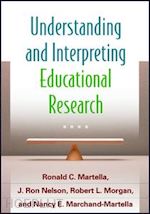
martella ronald c.; nelson j. ron; morgan robert l.; marchand-martella nancy e. - understanding and interpreting educational research
Zoom

Understanding and Interpreting Educational Research

; ; ;


Disponibilità: Normalmente disponibile in 20 giorni
A causa di problematiche nell'approvvigionamento legate alla Brexit sono possibili ritardi nelle consegne.


PREZZO
174,98 €
NICEPRICE
166,23 €
SCONTO
5%


Questo prodotto usufruisce delle SPEDIZIONI GRATIS
selezionando l'opzione Corriere Veloce in fase di ordine.


Pagabile anche con Carta della cultura giovani e del merito, 18App Bonus Cultura e Carta del Docente


Facebook Twitter Aggiungi commento


Spese Gratis

Dettagli

Genere:Libro
Lingua: Inglese
Pubblicazione: 06/2013
Edizione: Edizione nuova, 2° edizione


Note Editore

This user-friendly text takes a learn-by-doing approach to exploring research design issues in education and psychology, offering evenhanded coverage of quantitative, qualitative, mixed-methods, and single-case designs. Readers learn the basics of different methods and steps for critically examining any study's design, data, and conclusions, using sample peer-reviewed journal articles as practice opportunities. The text is unique in featuring full chapters on survey methods, evaluation, reliability and validity, action research, and research syntheses. Pedagogical Features *An exemplar journal article at the end of each methods chapter, together with questions and activities for critiquing it (including, where applicable, checklist forms to identify threats to internal and external validity), plus lists of additional research examples. *Research example boxes showing how studies are designed to address particular research questions. *In every chapter: numbered chapter objectives, bulleted summaries, subheadings written as questions, a running glossary, and end-of-chapter discussion questions. * Electronic Instructor's Resource Manual with Test Bank, provided separately--includes chapter outlines; answers to exercises, discussion questions, and illustrative example questions; and PowerPoints.


Sommario

I. UNDERSTANDING RESEARCH1. Thinking Critically about ResearchObjectivesOverviewHow Important Is Critical Thinking?What Are the Elements to Becoming a Critical Research Consumer?What Are Science and the Scientific Method? What Are the Purposes of Science? What Is a Scientific Theory?What Are the Types of Scientific Logic? In What Ways Do We Gain Information? What Are Constraint Levels in Educational and Psychological Research?What Are the Differences between Basic and Applied Research?What Is Replication Research?SummaryDiscussion QuestionsII. CRITICAL ISSUES IN RESEARCH2. Fundamental Issues for Interpreting ResearchObjectivesWhat Is Variability?What Is Internal Validity and Its Threats? What Is External Validity and Its Threats?What Are Statistical and Social Validities?SummaryDiscussion QuestionsInterpretation Exercises3. Reliability, Validity, and Interobserver AgreementObjectivesOverviewWhat Are Reliability and Validity Issues in Quantitative Research? How Do Researchers Assess the Reliability of Measurement Devices?How Do Researchers Determine the Validity of Measurement Devices?What Are Reliability and Validity Issues in Qualitative Research?What Is Interobserver Agreement?What Are the Methods of Establishing Interobserver Agreement? What Are the Factors That Influence Interobserver Agreement? What Are the Factors to Consider When Assessing Measurement Devices in the Context of aStudy? SummaryDiscussion QuestionsPractice ExercisesIII. QUANTITATIVE RESEARCH METHODS4. Basic Statistical Concepts and Sampling ProceduresObjectivesOverviewWhat Are the Scales of Measurement? What Is a Univariate Frequency Distribution? How Can We Describe Data Sets?What Role Do Hypotheses Play in Research?What Are Parametric and Nonparametric Tests of Statistical Significance?What Is Statistical Significance?What Are Type I and Type II Errors and Power?What Are the Types of Statistical Significance Testing Methods? What Are the Different Sampling Methods?What Are the Sampling Decisions Researchers Make?What Is Sampling Error? SummaryDiscussion Questions5. Experimental DesignsObjectivesOverviewWhat Are True Experimental Designs?What Are the Most Common True Experimental Designs?What Are Factorial Experimental Designs? What Are Quasi-Experimental Designs?What Are the Common Quasi-Experimental Designs? What Are Preexperimental Designs?What Are the Types of Preexperimental Designs?When Should Researchers Use Each Experimental Research Design?SummaryDiscussion QuestionsILLUSTRATIVE ARTICLE EXAMPLEResearch Example QuestionsAdditional Research ExamplesThreats to Internal Validity FormThreats to External Validity Form6. Causal-Comparative ResearchObjectivesOverviewWhat Is the Causal-Comparative Research Method?What Should Researchers Consider When Designing a Causal-Comparative Research Study?Can the Causal-Comparative Approach Be Combined with Factorial Designs?When Should Researchers Use the Causal-Comparative Research Design?SummaryDiscussion QuestionsILLUSTRATIVE ARTICLE EXAMPLEResearch Example QuestionsAdditional Research ExamplesThreats to Internal Validity FormThreats to External Validity Form7. Correlational ResearchObjectivesOverviewWhat Is the Correlational Research Method?What Are the Issues in Designing a Correlational Study? What Are the Statistical Procedures Used in Correlational Research?When Should Researchers Use the Correlational Research Method?SummaryDiscussion QuestionsILLUSTRATIVE ARTICLE EXAMPLEResearch Example QuestionsAdditional Research ExamplesThreats to Internal Validity FormThreats to External Validity Form8. Survey Research MethodsObjectivesOverviewWhat Are the Purposes of Survey Research?What Are the Different Types of Surveys?What Are the Factors in Choosing a Survey Method? How Is Survey Research Designed?When Should Researchers Use Survey Research?SummaryDiscussion QuestionsILLUSTRATIVE ARTICLE EXAMPLEResearch Example QuestionsAdditional Research ExamplesThreats to Survey Validity FormIV. QUALITATIVE RESEARCH METHODS9. Basic Understandings in Qualitative ResearchObjectivesOverviewWhat Are the Characteristics of Qualitative Research? What Are the Differences between Qualitative and Quantitative Research? What Are Qualitative Research Procedures?What Is Understanding in Qualitative Research? What Are the Evaluative Criteria for Judging the Reliability and Validity of Qualitative Research?What Are the Types of Triangulation Methods?How Are Qualitative Data Analyzed?SummaryDiscussion Questions10. Data Collection and Designs in Qualitative ResearchObjectivesOverviewWhat Are Field-Oriented Studies?What Is Historical Research? What Are Mixed-Methods Studies?When Should Researchers Use Each Qualitative Research Design? SummaryDiscussion QuestionsILLUSTRATIVE ARTICLE EXAMPLEResearch Example QuestionsAdditional Research ExamplesQualitative Research Examination FormV. SINGLE-CASE RESEARCH METHODS11. Withdrawal and Associated DesignsObjectivesOverviewWhat Are Graphing Methods in Withdrawal Designs?What Are Withdrawal and Associated Designs?When Should Researchers Use Each Withdrawal and Associated Design?SummaryDiscussion QuestionsILLUSTRATIVE ARTICLE EXAMPLEResearch Example QuestionsAdditional Research ExamplesThreats to Internal Validity FormThreats to External Validity Form12. Multiple-Baseline DesignsObjectives OverviewWhat Are Graphing Methods in Multiple-Baseline Designs?What Are Multiple-Baseline Designs?When Should Researchers Use Each Multiple-Baseline Design?Summary Discussion QuestionsILLUSTRATIVE ARTICLE EXAMPLEResearch Example QuestionsAdditional Research ExamplesThreats to Internal Validity FormThreats to External Validity Form13. Additional Single-Case DesignsObjectivesOverviewWhat Is a Changing-Criterion Design?What Is a Multitreatment Design?What Is an Alternating Treatments Design?What Are Combination Designs?When Should Researchers Use Each of the Additional Single-Case Designs?Summary Discussion QuestionsILLUSTRATIVE ARTICLE EXAMPLEResearch Example QuestionsAdditional Research ExamplesThreats to Internal Validity FormThreats to External Validity FormVI. EVALUATION RESEARCH14. Program EvaluationObjectivesOverviewWhat Are the Goals and Objectives of Program Evaluation? What Are the Types of Program Evaluations?How Is a Program Evaluation Conducted?When Should Program Evaluations Be Conducted?SummaryDiscussion QuestionsILLUSTRATIVE ARTICLE EXAMPLEResearch Example QuestionsAdditional Research Examples15. Evaluating the LiteratureObjectivesOverviewWhat Are the Purposes of Research Syntheses?What Are Systematic and Unsystematic Research Sy


Autore

Ronald C. Martella, PhD, is Professor of Special Education at Eastern Washington University. He has over 26 years of experience working with at-risk populations and provides technical assistance to numerous states and districts on positive behavior support/behavior management for students with or without disabilities. Dr. Martella has over 150 professional publications, including several literacy programs and interventions. J. Ron Nelson, PhD, is Professor at the University of NebraskaLincoln. He has over 20 years of experience in the field of special education as a teacher, technical assistance provider, and professor. A recipient of the Distinguished Initial Career Research Award from the Council for Exceptional Children, Dr. Nelson has more than 150 publications that focus on serving children at risk of school failure and on research issues. He has developed a number of behavior and literacy interventions. Robert L. Morgan, PhD, is Professor in the Department of Special Education and Rehabilitation at Utah State University and serves as the Head of the Severe Disabilities Teacher Preparation Program and Chair of the Undergraduate Committee. He worked in schools, adult residential facilities, and supported employment programs for 11 years. Dr. Morgan's research interests and more than 100 publications address issues including transition from school to adult roles and applied behavior analysis. Nancy E. Marchand-Martella, PhD, is Professor of Special Education at Eastern Washington University. She has over 26 years of experience working with at-risk populations, including serving as a consultant for the Washington Improvement and Implementation Network and the Washington State Striving Readers Grant, and as a Reading First panel member. Dr. Marchand-Martella has over 160 professional publications, including several literacy programs and interventions.


Altre Informazioni

ISBN:

9781462509744

Condizione: Nuovo
Dimensioni: 10 x 7 in
Formato: Copertina rigida
Pagine Arabe: 666


Dicono di noi