libri scuola books Fumetti ebook dvd top ten sconti 0 Carrello


Torna Indietro

stewart alison g. - before bruegel
Zoom

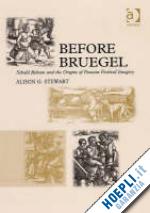
Before Bruegel Sebald Beham and the Origins of Peasant Festival Imagery


Disponibilità: Normalmente disponibile in 20 giorni
A causa di problematiche nell'approvvigionamento legate alla Brexit sono possibili ritardi nelle consegne.


PREZZO
181,98 €
NICEPRICE
172,88 €
SCONTO
5%


Questo prodotto usufruisce delle SPEDIZIONI GRATIS
selezionando l'opzione Corriere Veloce in fase di ordine.


Pagabile anche con Carta della cultura giovani e del merito, 18App Bonus Cultura e Carta del Docente


Facebook Twitter Aggiungi commento


Spese Gratis

Dettagli

Genere:Libro
Lingua: Inglese
Editore:

Routledge

Pubblicazione: 07/2008
Edizione: 1° edizione


Note Editore

Peasant festival imagery began in sixteenth-century Nuremberg, when the city played host to a series of religious and secular festivals. The peasant festival images were first produced as woodcut prints in the decade between 1524 and 1535 by Sebald Beham. These peasant festival prints show celebrating in a variety of ways including dancing, eating and drinking, and playing games. In Before Bruegel, Alison Stewart takes a fresh look at these images and explores them within their historical and cultural contexts, including the introduction of the Lutheran Reformation into the town's institutions and the accompanying re-evaluation of the town's popular festivals. Stewart goes beyond the black-and-white approaches of previous interpretations, to examine the festival prints in a more complex manner. In the first publication of its kind, Stewart makes the case for a range of meanings these works held for a sixteenth-century audience and for Beham's pictorial inventiveness and his business savvy. Beham is credited with inventing the subject of peasant festivals in Northern Renaissance art and for creating a market for the subject by the middle of the sixteenth century, with his large-scale woodcuts at Nuremberg and with tiny engravings at Frankfurt. Stewart shows that the market Beham created for prints with the theme of peasant festivals paved the way for Pieter Bruegel's Netherlandish paintings of the same theme, dating but a few years later.


Sommario

Contents: Preface; Introduction; The beginning of peasant festival imagery: Sebald Beham and the reform of festivals in Nuremberg; Secular celebration and reform: The Large Kermis; Reading kermis: kermis prints with text; Sizing up at kermis: the Nose Dance; Celebrating and reforming marriage: the Peasant Wedding Celebration; Celebrating and reforming gender: the Spinning Bee; Distributing prints: woodcuts and their audience; Establishing a market for peasant festival imagery: from Beham to Bruegel; Conclusion; Appendix; Bibliography; Index.


Autore

Alison G. Stewart is Professor of Art History at the University of Nebraska-Lincoln, USA, where she teaches Medieval and Northern Renaissance Art.


Note Libraio

Peasant festival imagery began in sixteenth-century Nuremberg, when the city played host to a series of religious and secular festivals. The peasant festival images were first produced as woodcut prints in the decade between 1524 and 1535 by Sebald Beham. These peasant festival prints include celebrating in a variety of ways including dancing, eating and drinking, and playing games.In "Before Bruegel", Alison Stewart takes a fresh look at these images and explores them within their historical and cultural contexts, including the introduction of the Lutheran Reformation into the town's institutions and the accompanying re-evaluation of the town's popular festivals. Stewart goes beyond the black-and-white approaches of previous interpretations, to examine the festival prints in a more complex manner.In the first publication of its kind, Stewart makes the case for a range of meanings these works held for a sixteenth-century audience and for Beham's pictorial inventiveness and his business savvy. Beham is credited with inventing the subject of peasant festivals in Northern Renaissance art and for creating a market for the subject by the middle of the sixteenth century, with his large-scale woodcuts at Nuremberg and with tiny engravings at Frankfurt. Stewart shows that the market Beham created for prints with the theme of peasant festivals paved the way for Pieter Bruegel's Netherlandish paintings of the same theme, dating but a few years later.


Altre Informazioni

ISBN:

9780754633082

Condizione: Nuovo
Dimensioni: 9.75 x 6.75 in Ø 2.48 lb
Formato: Copertina rigida
Pagine Arabe: 382


Dicono di noi